

Securing the Future of Hawai‘i’s Koa Forests
Stewardship of Fusarium-Resistant Koa Seed Orchards
Maui | In Partnership with Hawaiʻi Agriculture Research Center
Skyline Conservation Initiative supports Hawaiʻi Agricultural Research Center by stewarding disease-resistant koa seed orchards that are helping rebuild these forests with stronger, more resilient genetics.
Support Forest ResilienceFusarium wilt has devastated koa forests across Maui.
Fusarium wilt is a soil-borne fungal disease that has descimated low- and mid-elevation koa forests across Maui.
Without access to disease-resistant planting stock:
- Restoration efforts fail
- Watersheds weaken
- Soil stability declines
- Biodiversity suffers
Cultivating Disease-Resistant Koa Seeds
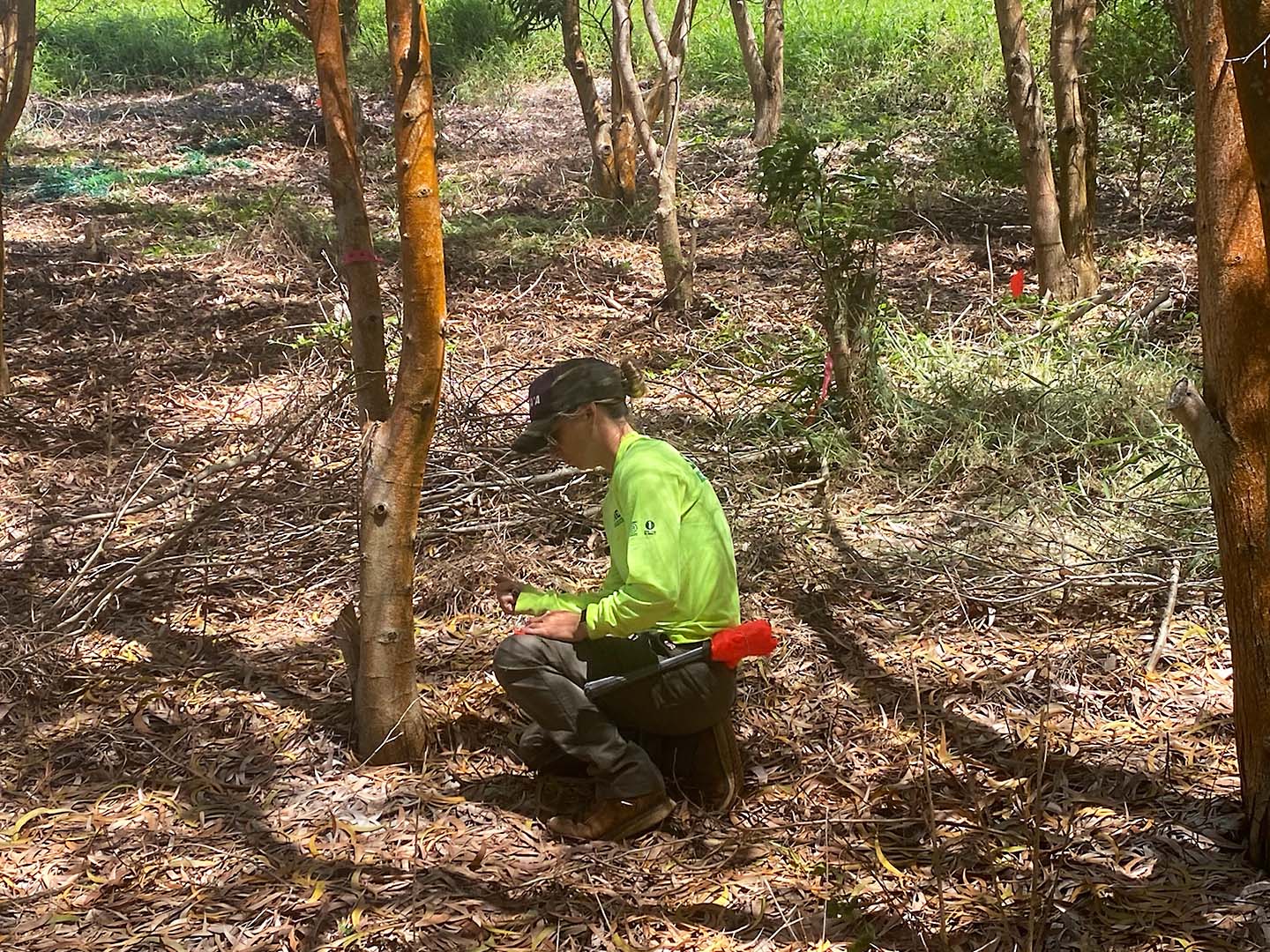
Working alongside research and watershed partners, Skyline Conservation stewards koa seed orchards selected specifically for Fusarium resistance.
Our work includes:
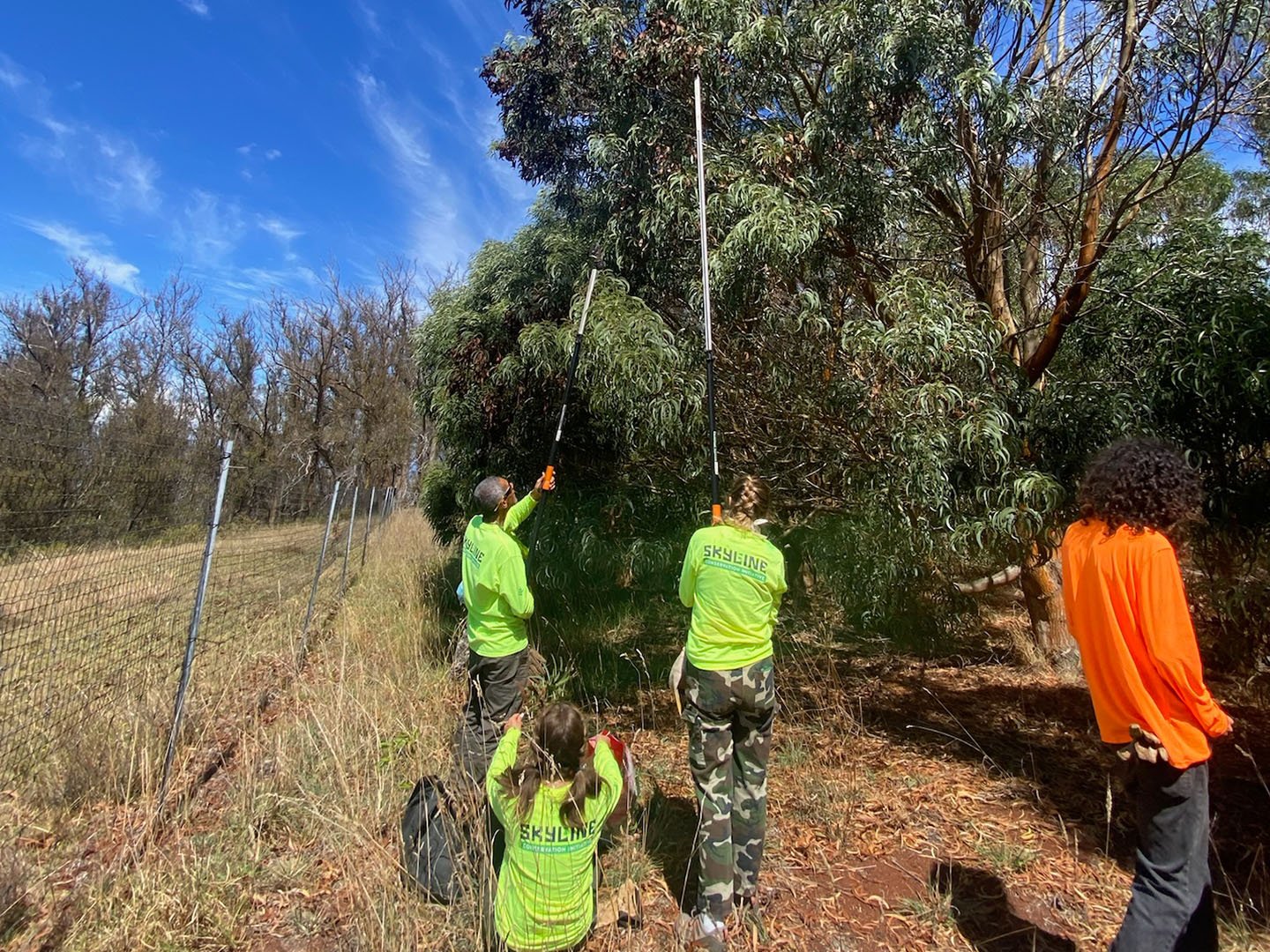
- Orchard maintenance and invasive control
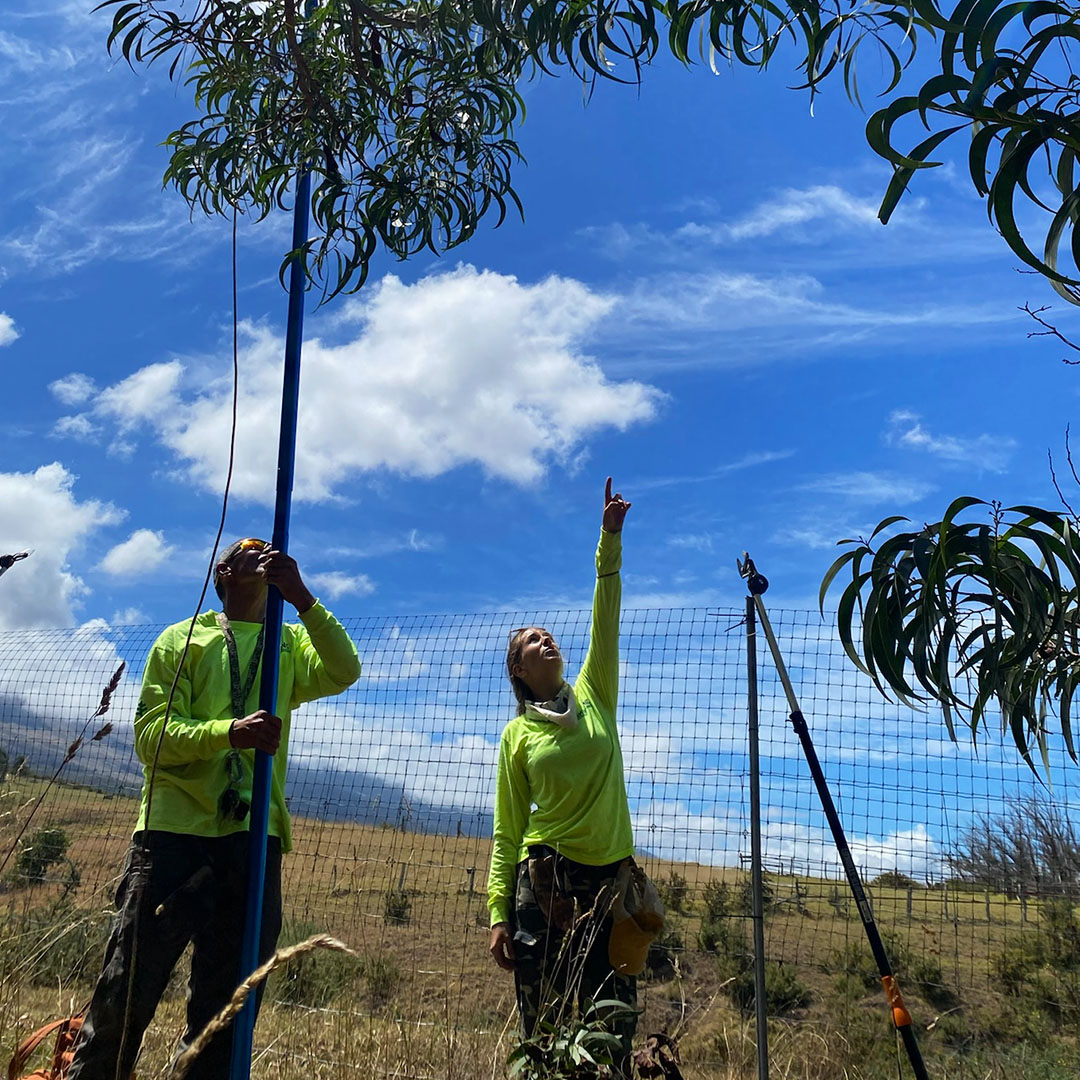
- Tree health monitoring
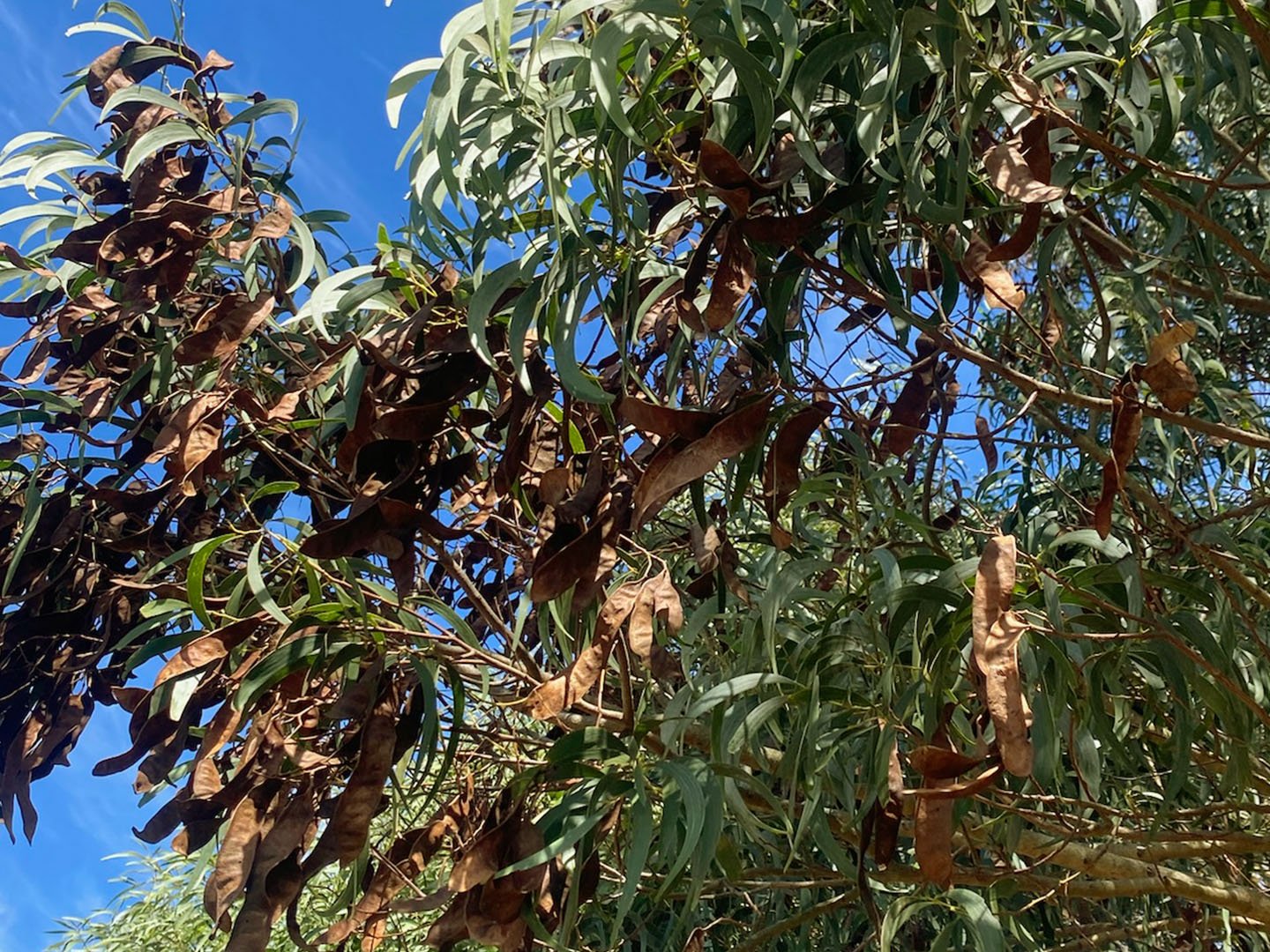
- Careful seed harvesting and processing
- Protection of genetic integrity
- Detailed geo-referencing of parent trees
To date, hundreds of thousands of koa seeds have been harvested from resilient orchard trees.
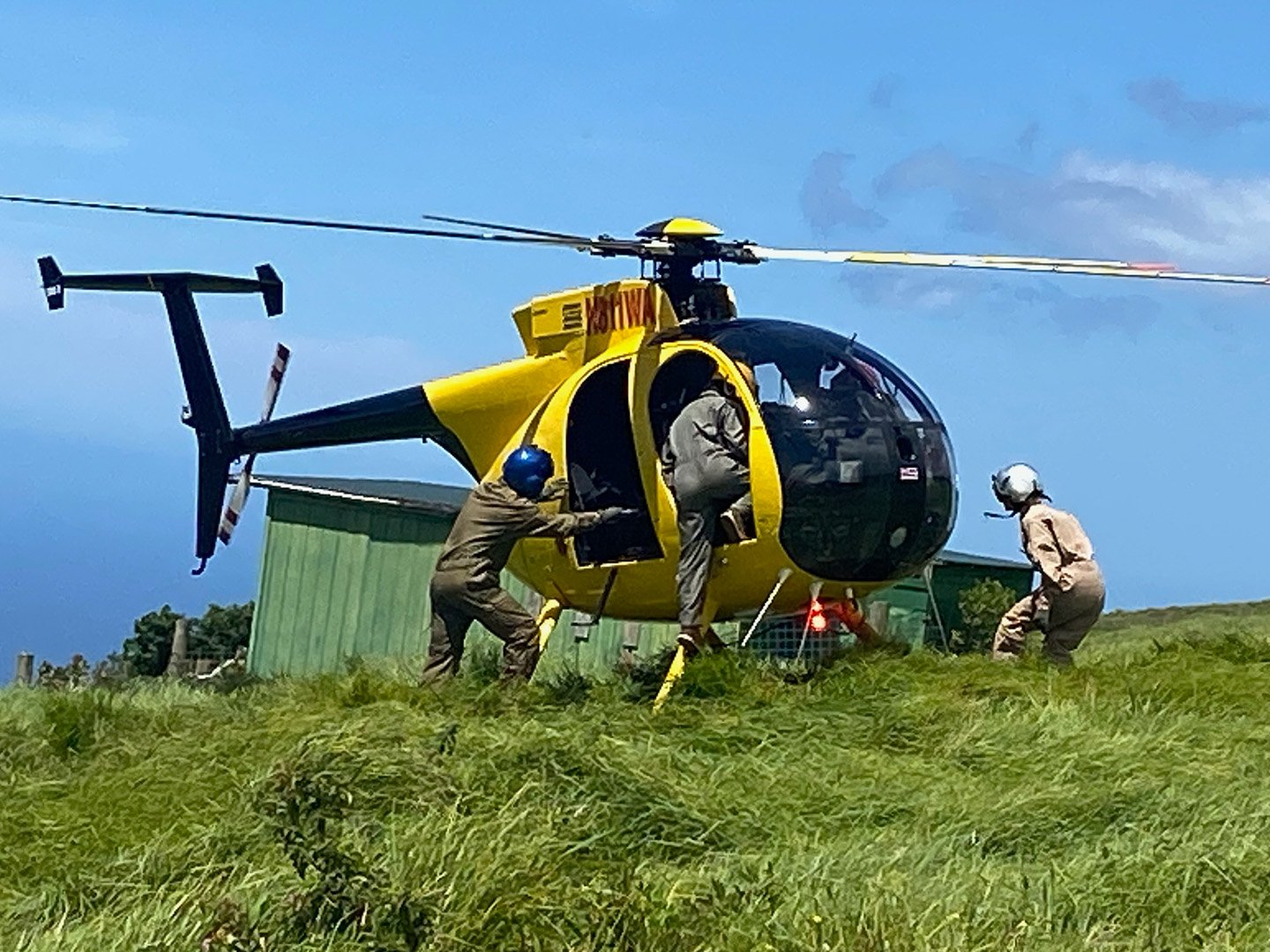
These seeds are distributed to restoration programs across Maui, including the Pōhakuokalā Gulch site, accelerating landscape-scale forest recovery.
Applied Science At Work in Native Ecosystems
- Hundreds of thousands of disease-resistant koa seeds harvested
- Seed stock distributed across thousands of acres on Haleakalā
- Windward and leeward genetic strains intentionally outplanted
- Survival, growth, and resilience tracked over time
Each seed carries carefully preserved provenance data, allowing restoration practitioners to compare performance across microclimates and refine adaptive management strategies.
Koa Is a Keystone Species
Healthy koa forests stabilize soil, support native biodiversity, protect watersheds, recharge groundwater, and strengthen long-term water security.
Restoration Begins With a Seed.
Continued stewardship allows us to:
- Expand seed yields
- Maintain orchard health
- Support long-term monitoring
- Strengthen climate-resilient reforestation strategies
