

Restoring a Forest on the Edge of Collapse
Haleakalā Ranch, Maui | Pōhakuokalā Gulch Community Restoration Project
For more than two decades, Skyline Conservation Initiative has restored 46 acres of native forest in the montane mesic ecosystem at 4,000 feet on the slopes of Haleakalā. What was once overrun by invasive species is now a living, growing native forest.
Support Forest RestorationThe Forest Had All But Disappeared
Mid-elevation forests across Maui have been heavily degraded by invasive trees such as Blue Gum eucalyptus and Black Wattle. These species consume enormous amounts of water, alter soil chemistry, and crowd out native plants.
Without intervention, watersheds weaken, soil erodes, native forest birds lose habitat, and seed sources for restoration disappear.
Restoration requires both removal of invasive species and careful reestablishment of native plants adapted to this specific ecological zone.

Nearly 25 Years of Dedicated Restoration
Since 2002, Skyline Conservation Initiative has:
- Removed invasive eucalyptus and wattle
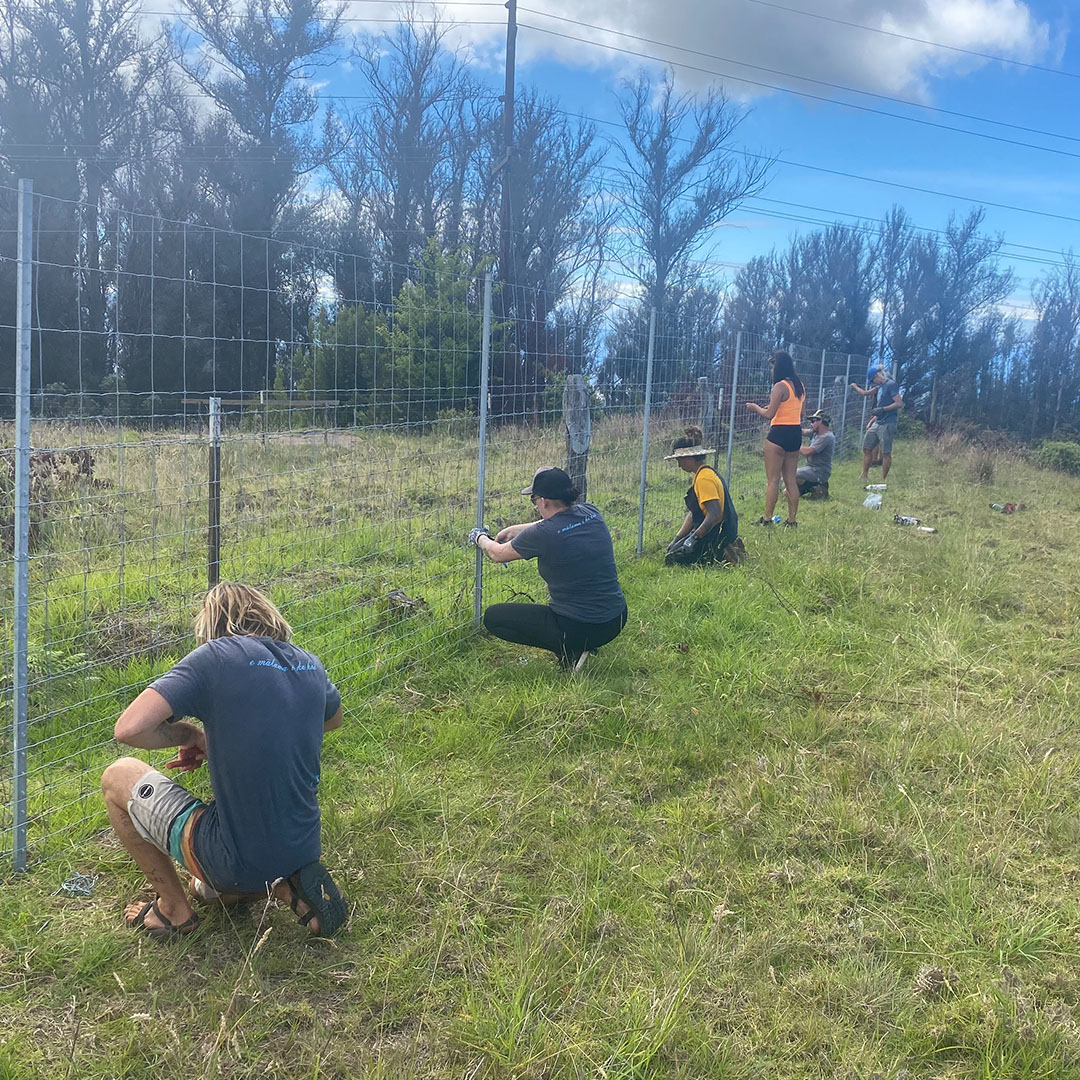
- Installed deer fencing to protect 46 acres from feral pigs and deer
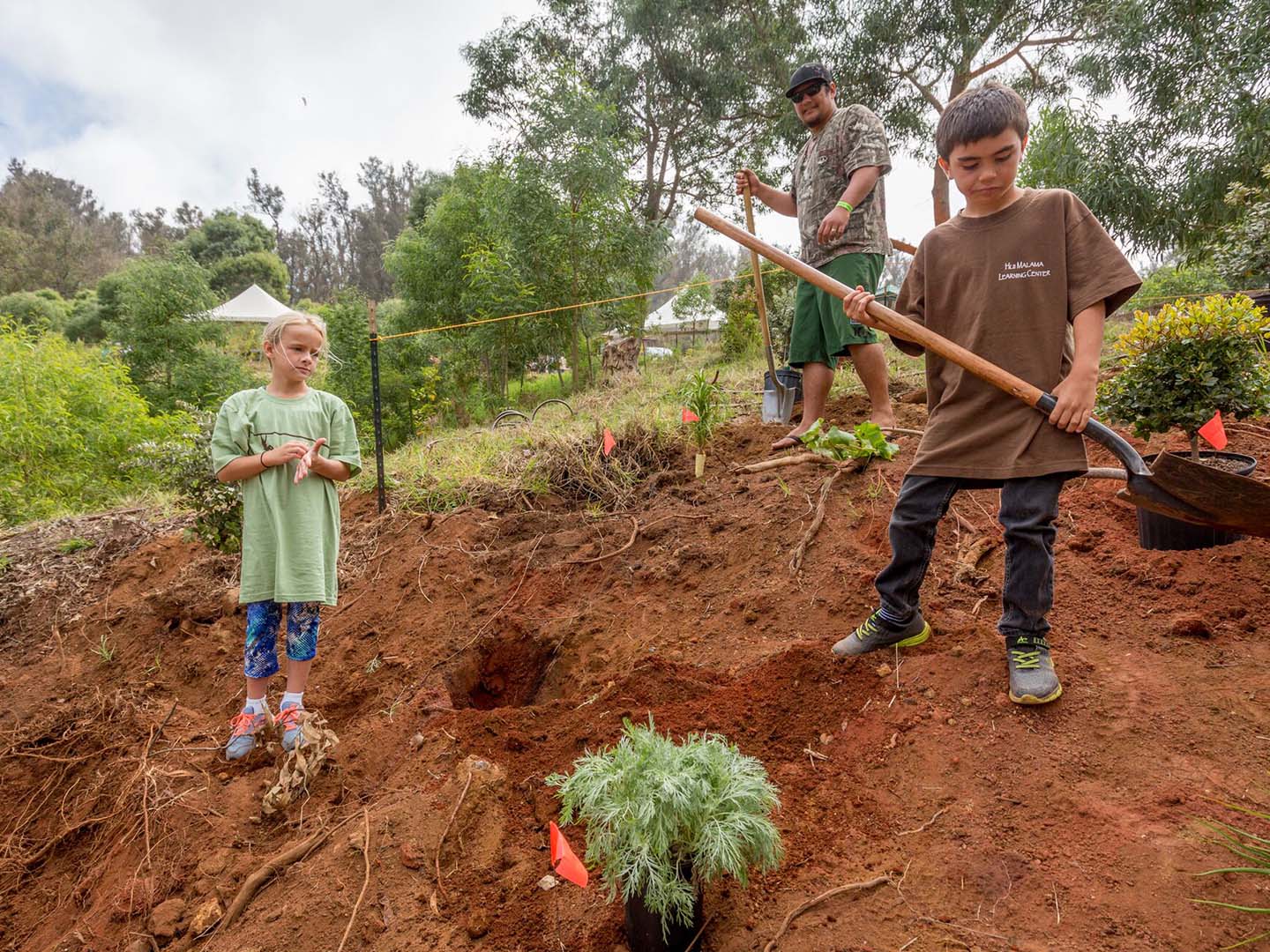
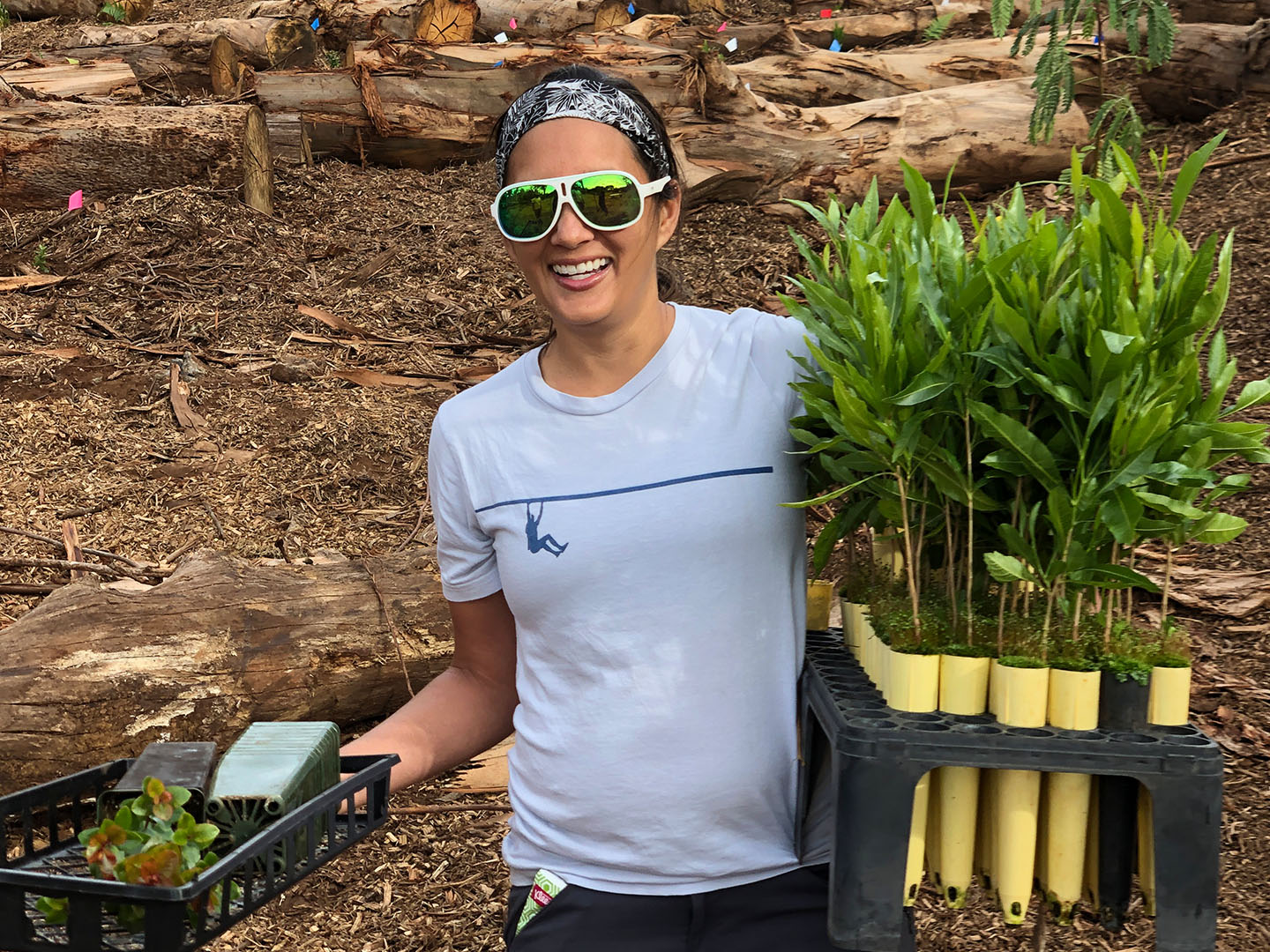
- Replanted native trees, shrubs, and understory plants grown from locally sourced seed
- Provided long-term maintenance and habitat care
More than 30 species of native Hawaiian plants have been reestablished, many sourced from wild populations along Haleakalā’s mid-elevation slopes to ensure genetic integrity.
Proof That Long-Term Stewardship Works
- 30,000+ native plants outplanted
- 46 acres protected and actively restored
- 15,000+ annual visitors experience the restored native forest
- Native forest birds have returned, including ʻAmakihi, ʻApapane, ʻIʻiwi, and Pueo (Hawaiian owl)
- A freshwater spring has reemerged after decades of absence, signaling improved soil and watershed health
- Native honeycreepers have returned after decades of absence
A Living Seed Orchard for Hawai‘i
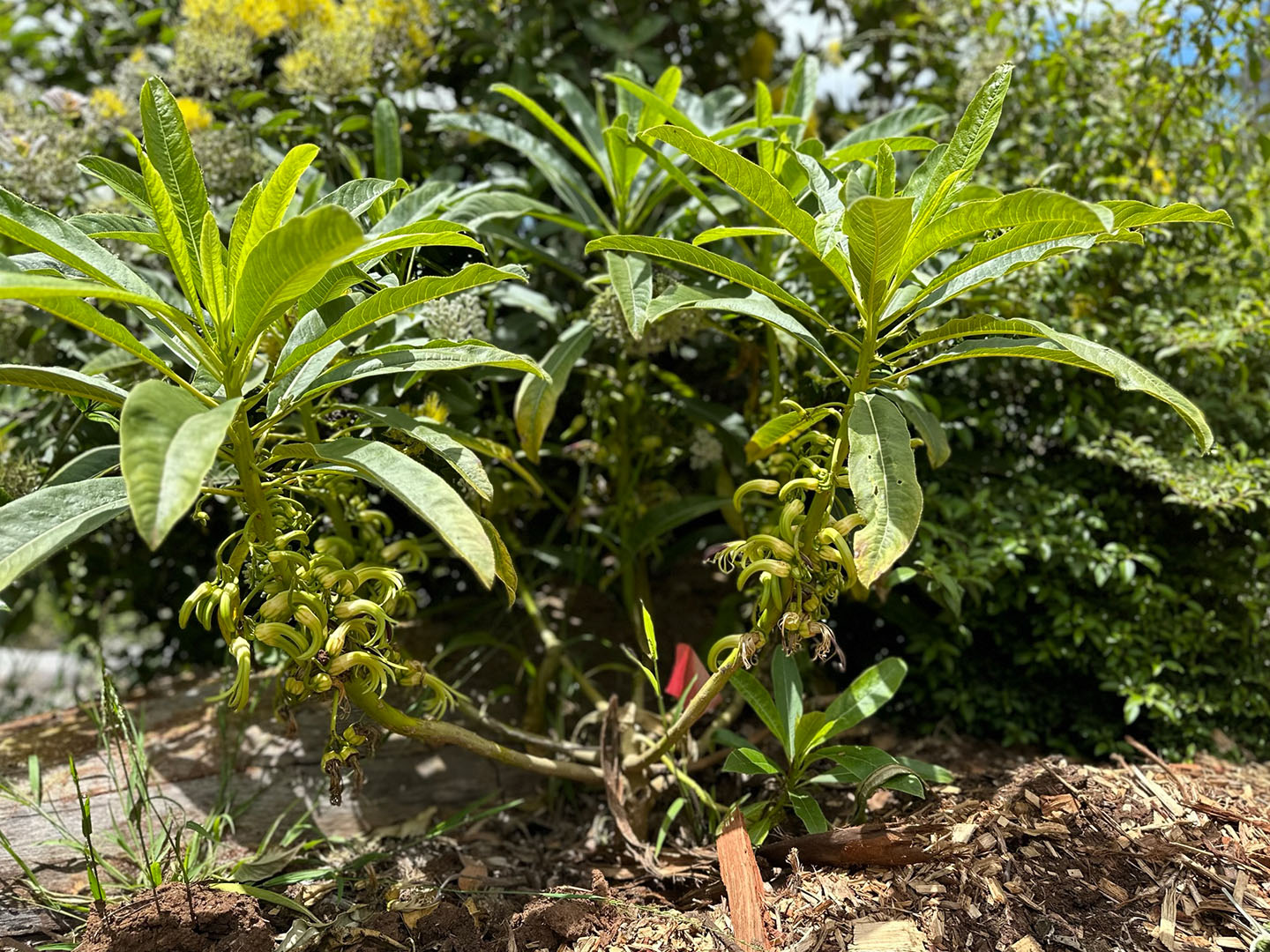
The restored forest now serves as a protected seed source for other restoration projects across the region. Mature native plants produce seed that supports nurseries and future forest restoration across Maui.
The site also functions as a training ground for emerging conservation leaders, expanding Hawai‘i’s capacity to care for its own landscapes.
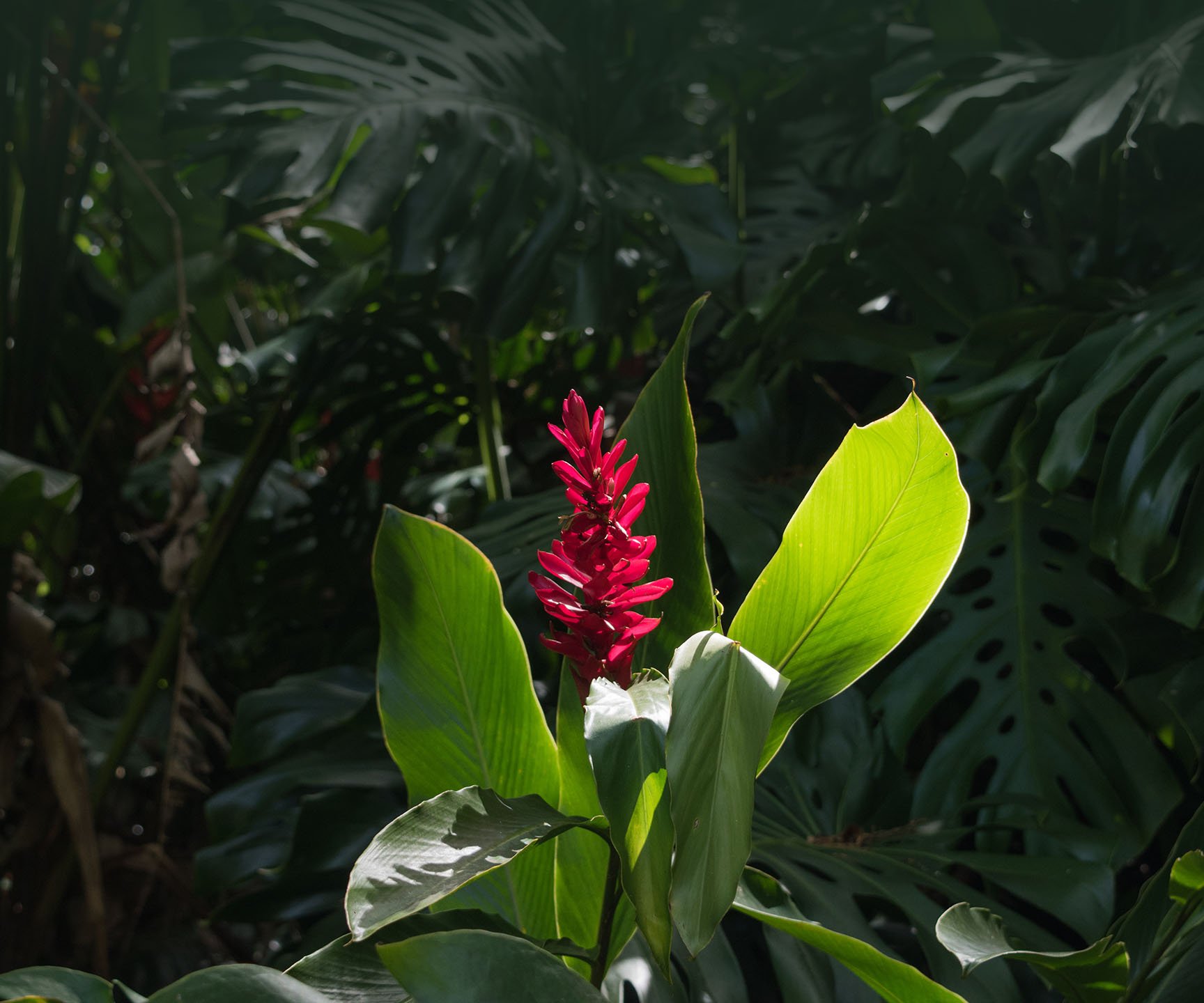
What Happens at 4,000 Feet Affects Everything Below It.
Healthy upland forests recharge groundwater, reduce erosion and runoff, support endangered species, and strengthen Hawaiʻi’s resilience to a changing climate.
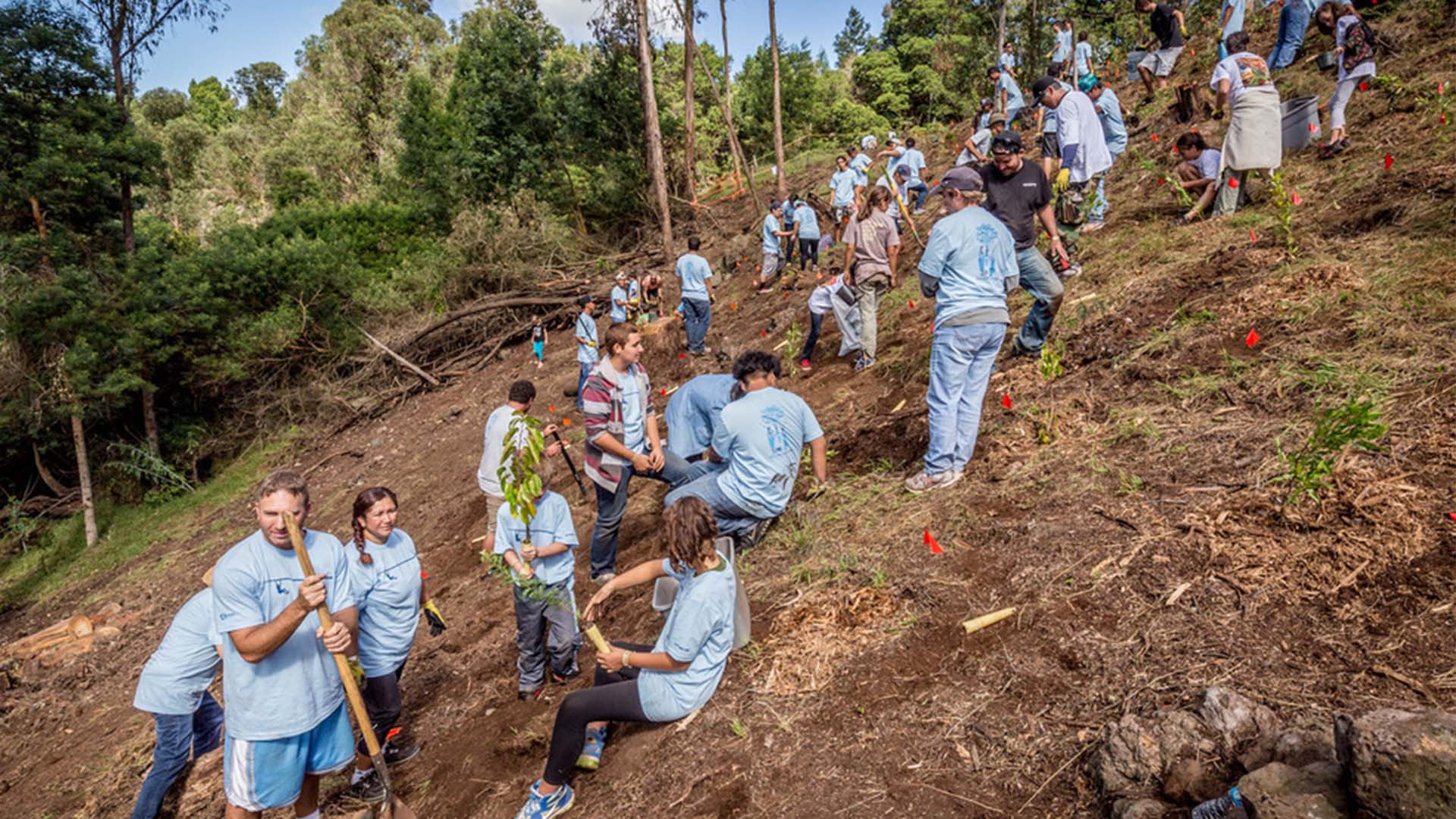
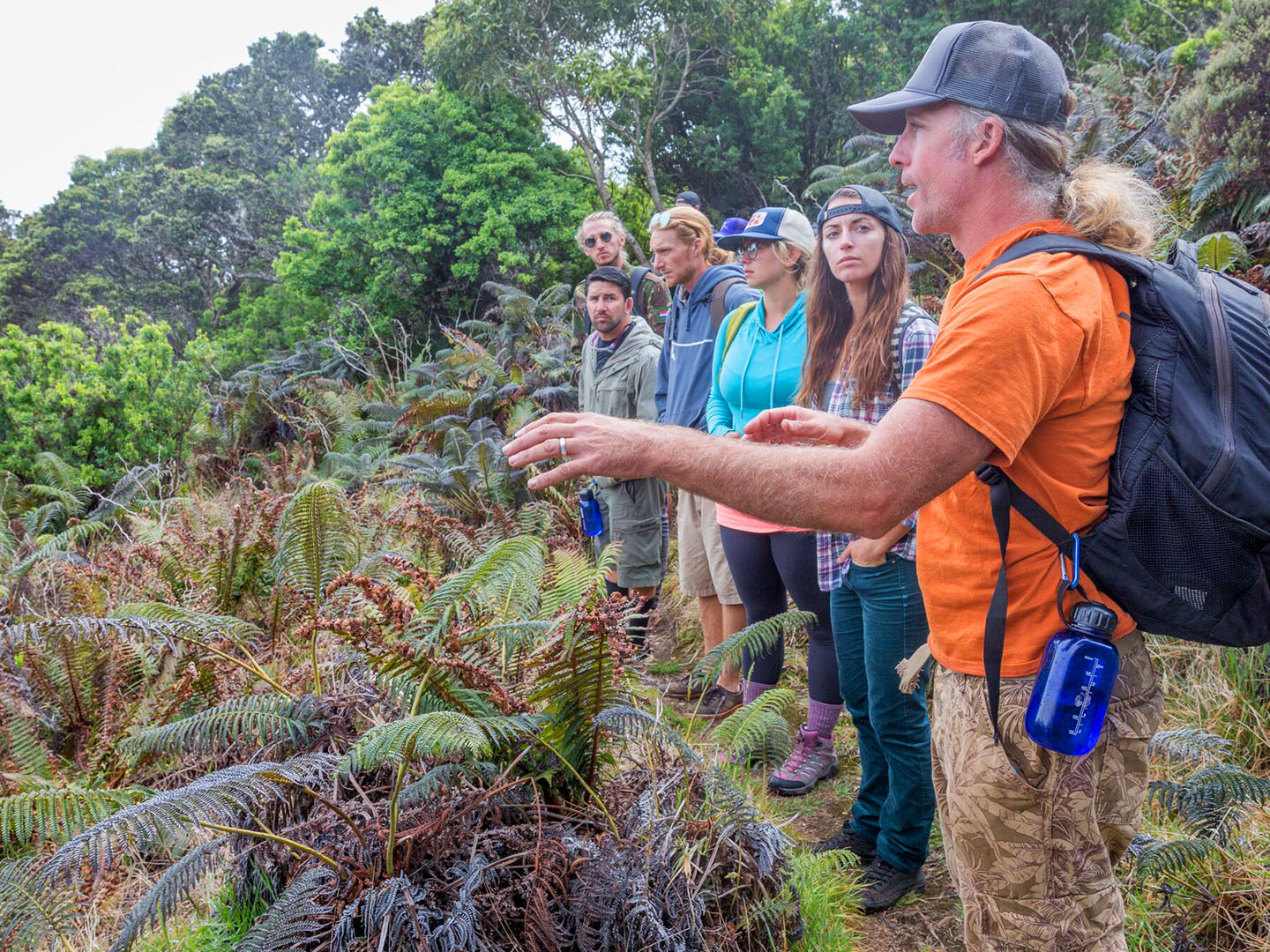
Patient Work Requires Long-Term Stewards.
Forest restoration unfolds over generations. Continued support ensures:
- Long-term invasive management
- Native plant survival and monitoring
- Seed collection and propagation
- Ongoing watershed protection
